
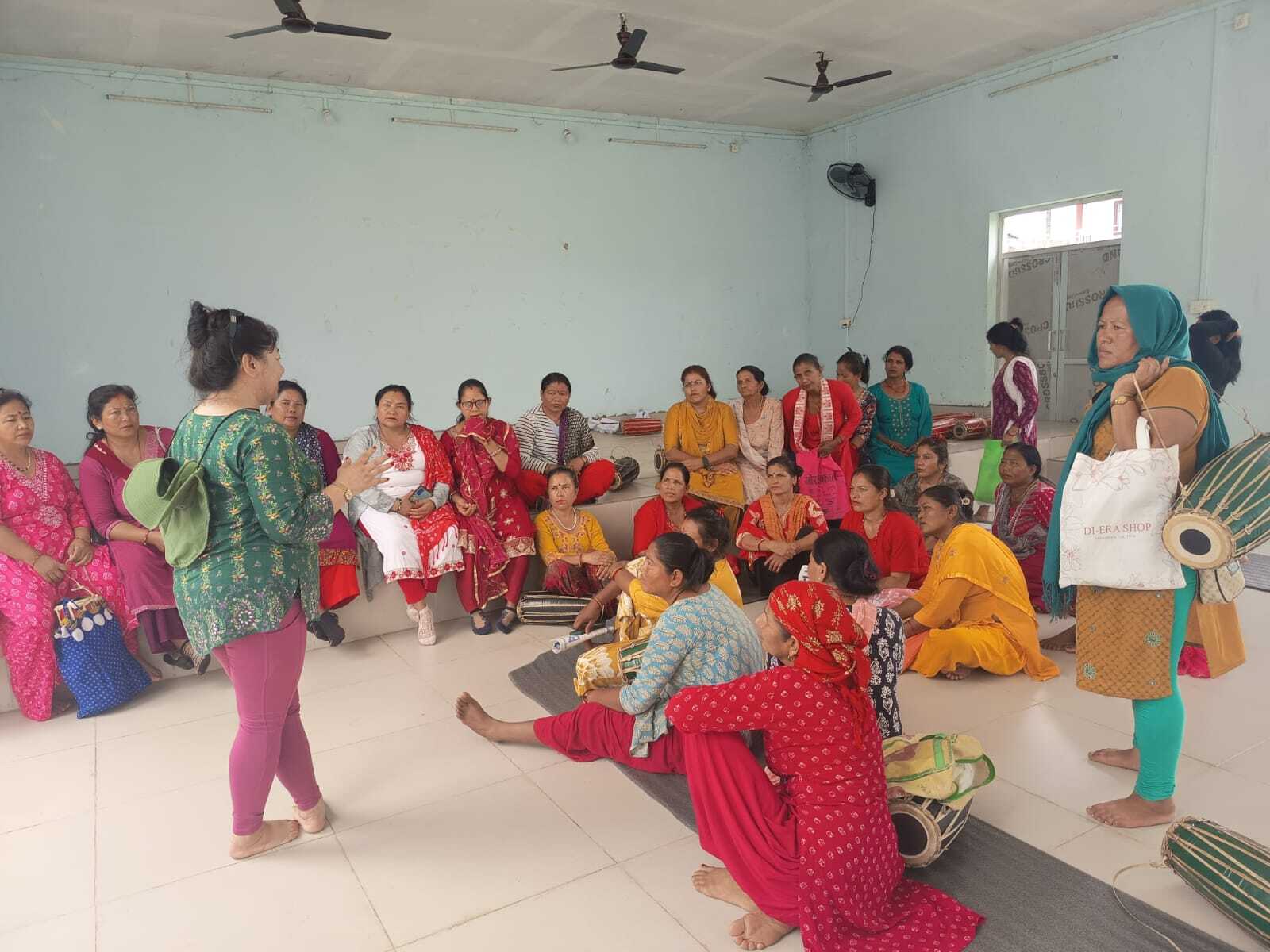
The Women, Nature and Peace Initiative, led by Gauri Malakar, Board Member of Nepal Tiger Trust and supported by Future Generations University, places women at the center of conservation and peacebuilding. The initiative is grounded in a simple truth: women bear the greatest daily risks from human–wildlife conflict, and their leadership is essential for long-term coexistence.
Listening to Women’s Voices in Meghauli
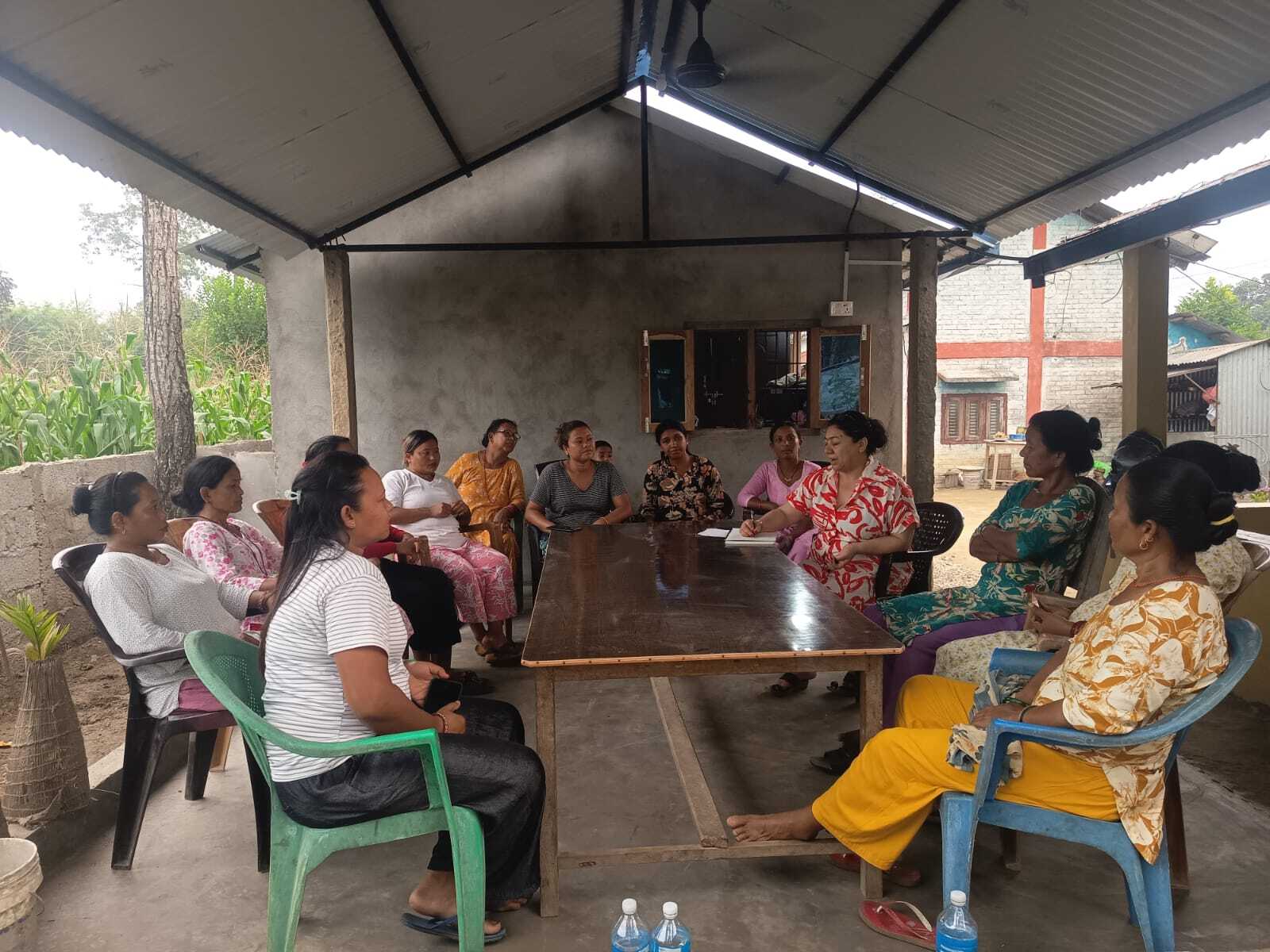
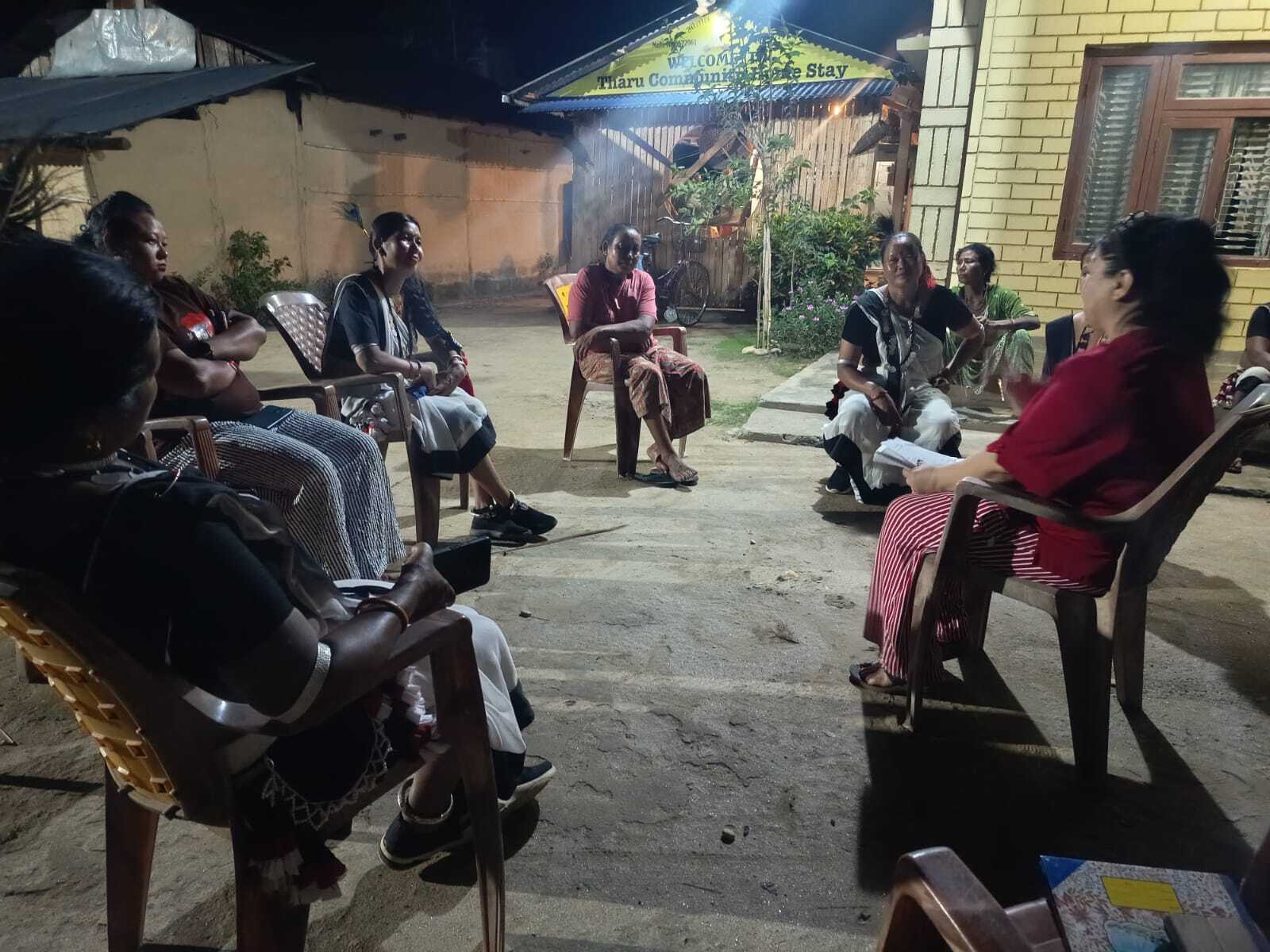
As part of the initiative, four Focus Group Discussions (FGDs) were held on 19 and 20 May 2026 across Meghauli’s buffer-zone communities—including Meghauli Village, Dharampur, Buddha Nagar, Andrauli, and Golaghat. These conversations brought together over 80 women from local groups, cultural teams, and those who regularly collect fodder and grass along forest and river-edge areas.
What Women Shared
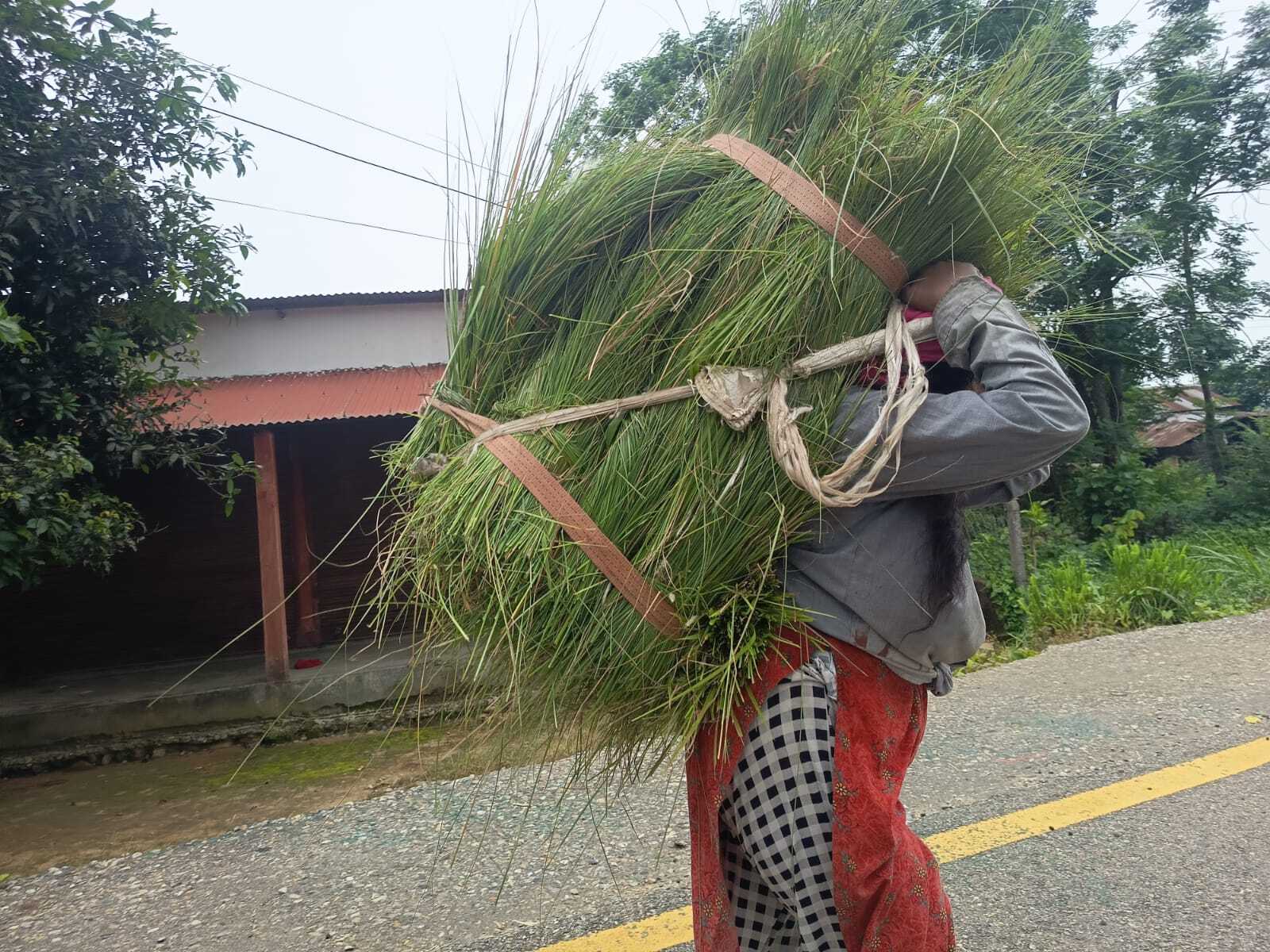
Across all discussions, women spoke candidly about their daily encounters with wildlife—especially elephants, wild boars, and snakes—and the constant fear that shapes their movement and work. They described:
Seasonal wildlife patterns they have observed
High-risk areas near forests and the Rapti River
Group safety practices used during fodder collection
The emotional stress of navigating these risks while managing household responsibilities
Their insights reaffirmed how deeply human–wildlife conflict affects women’s safety, confidence, and livelihoods.
What Women Need
Participants expressed a strong desire for practical, hands-on sensitization programs, including:
Understanding animal behavior
Identifying fresh vs. old pugmarks and wildlife signs
Learning safe movement techniques
Improving communication systems during forest-edge activities
Gaining clearer knowledge about Buffer Zone rules and safety measures
With the farming season approaching—and with it, increased movement in wildlife-prone areas—women emphasized the urgency of beginning wildlife safety training soon. These needs align directly with the core objectives of the initiative.
Summary Response
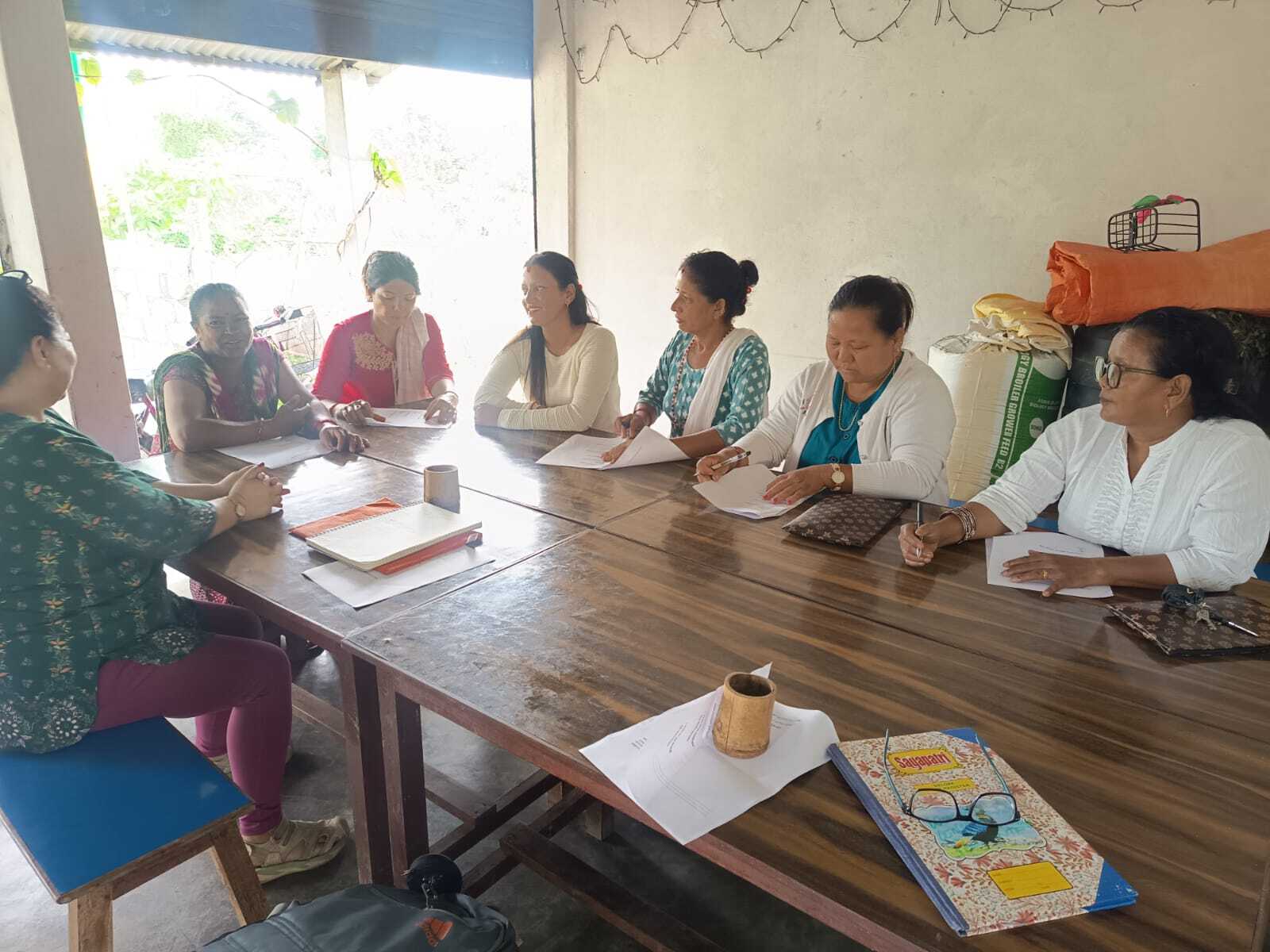
The response across all four FGDs was overwhelmingly positive. Women welcomed the initiative with enthusiasm, noting that such practical, knowledge-based activities have long been missing from community programs. They appreciated that the project centers their experiences, safety, and leadership in building peaceful coexistence with wildlife.
The initiative will move forward with wildlife conservation and awareness training scheduled from 3–8 June 2026, marking the next step in strengthening women-led conservation and community peacebuilding in Meghauli.
We invite you to support our conservation efforts by donating and sharing this cause. To stay updated with the latest tiger news, please subscribe.