
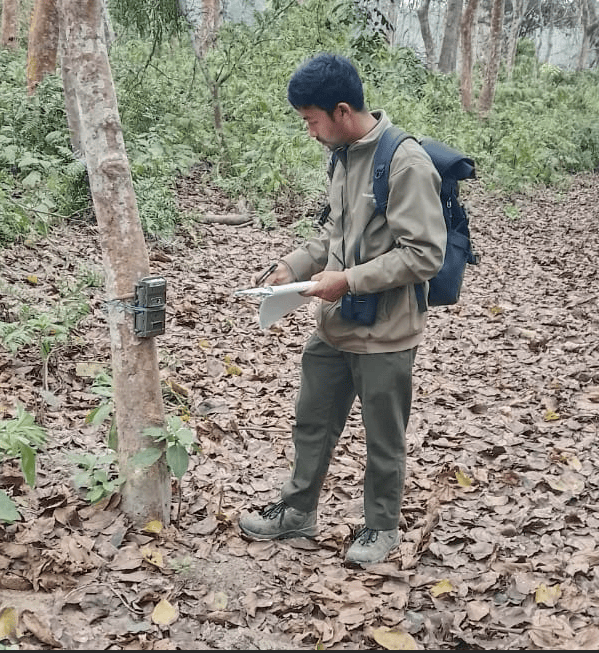
Nepal Tiger Trust (NTT) is proud to continue its close partnership with the Department of National Parks and Wildlife Conservation (DNPWC) in the ongoing national tiger survey—Nepal’s most comprehensive effort to monitor tiger population trends.
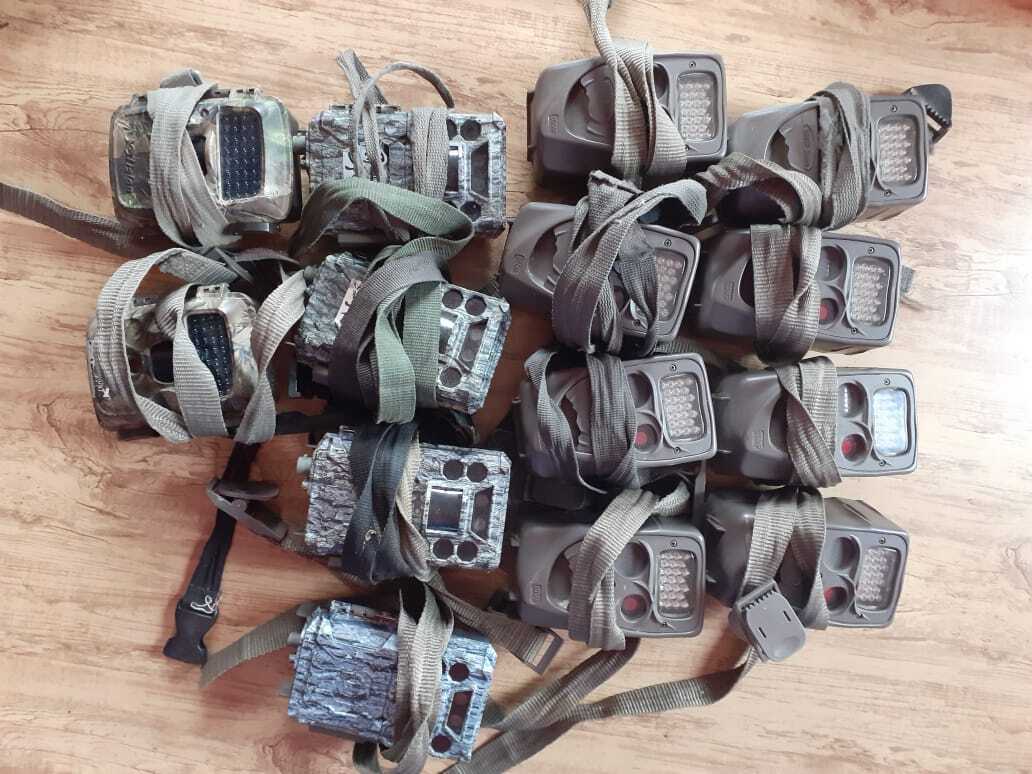
As part of this survey in the Chitwan–Parsa Complex, NTT has deployed three skilled technicians and provided fourteen camera traps to support field operations. The national camera-trapping survey officially began on December 16, 2025, in the western sector of Chitwan National Park. Senior tiger technician Baburam Mahato is leading work in the westernmost block, while Raju Kumal oversees the adjoining block. Subhas Mahato, a trainee technician, has also joined the team, adding fresh energy and strengthening field capacity.
Nepal conducts a national tiger survey every four years to assess population status and guide conservation strategies. This initiative began in 2010, when all tiger-range countries committed to doubling their tiger numbers by 2022. Since then, Nepal has adopted camera trapping as the standard monitoring method, enabling consistent and scientifically robust population estimates.
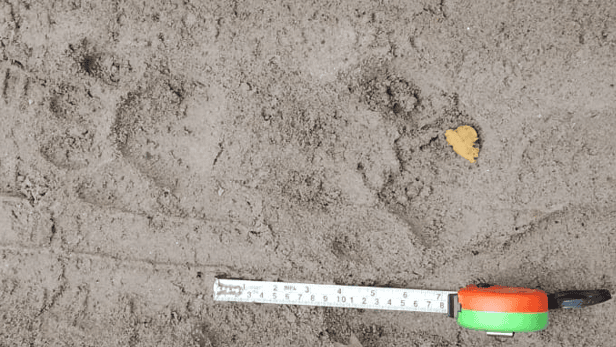
Across Nepal, three distinct tiger populations are found within three major landscapes: the Chitwan–Parsa Complex, the Banke–Bardia Complex, and Shuklaphanta. To effectively monitor these vast habitats, camera traps are systematically deployed in a 2 km × 2 km survey grid. Nationwide, more than 1,100 camera traps and around 250 field staff, including trained technicians, are mobilized—making this one of the largest and most coordinated wildlife monitoring efforts in the country.
NTT recently completed its own long term camera-trapping work in Block I and Block II of the Meghauli buffer zone. With all technicians and equipment now dedicated to the national survey, NTT will resume its monitoring once the national effort concludes in mid-March 2026.
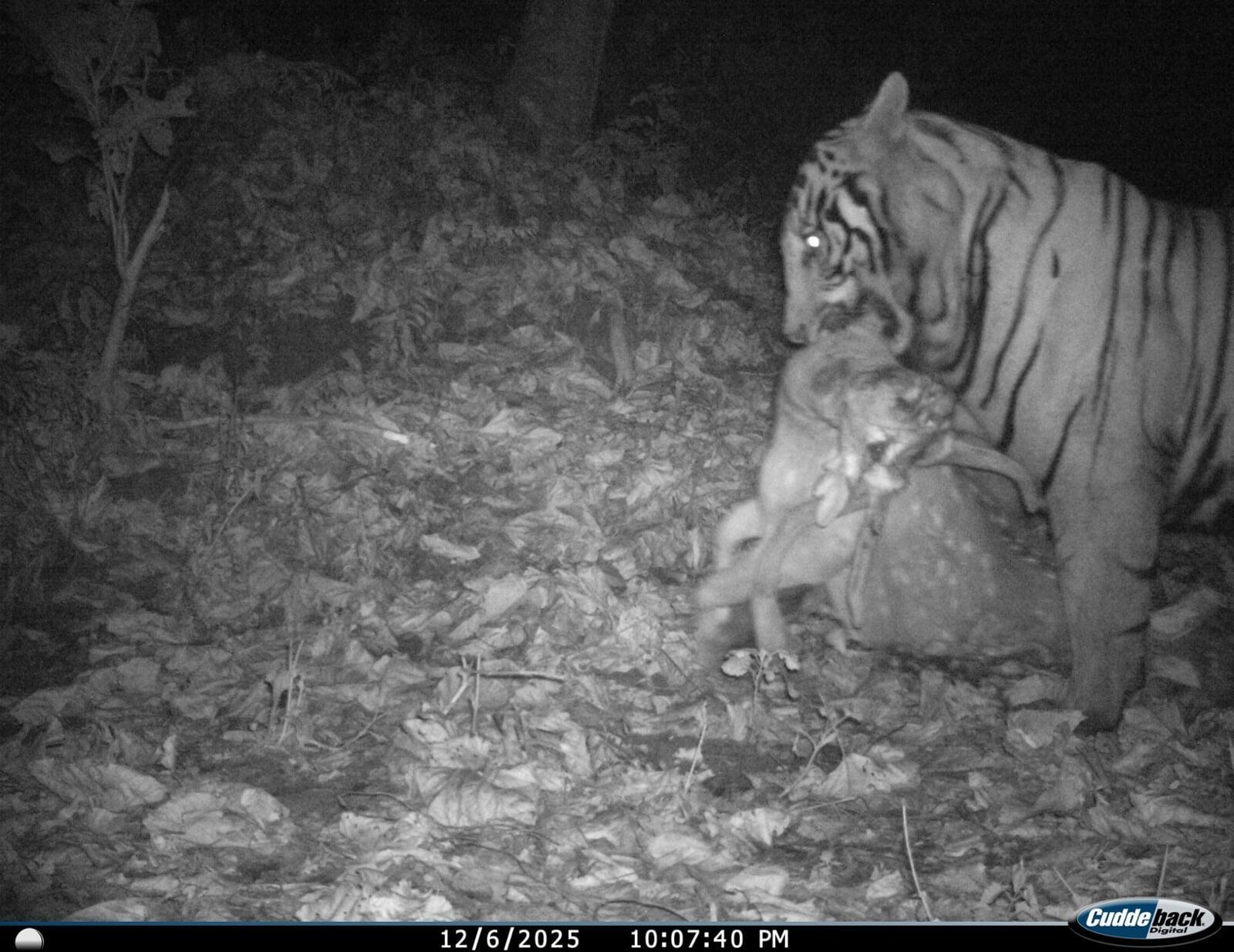
Although NTT contributes a relatively small number of technicians compared to the national scale, their expertise and commitment play a crucial role in ensuring high-quality data collection and strengthening Nepal’s long-term tiger conservation efforts.
We invite you to support our conservation efforts by donating and sharing this cause. To stay updated with the latest tiger news, please subscribe